
Capital planning that survives underwriting.
For an apartment owner the reserve study isn't a governance document — it's a capital budget. It tells you what the asset will demand over your hold period and what that does to net cash flow.
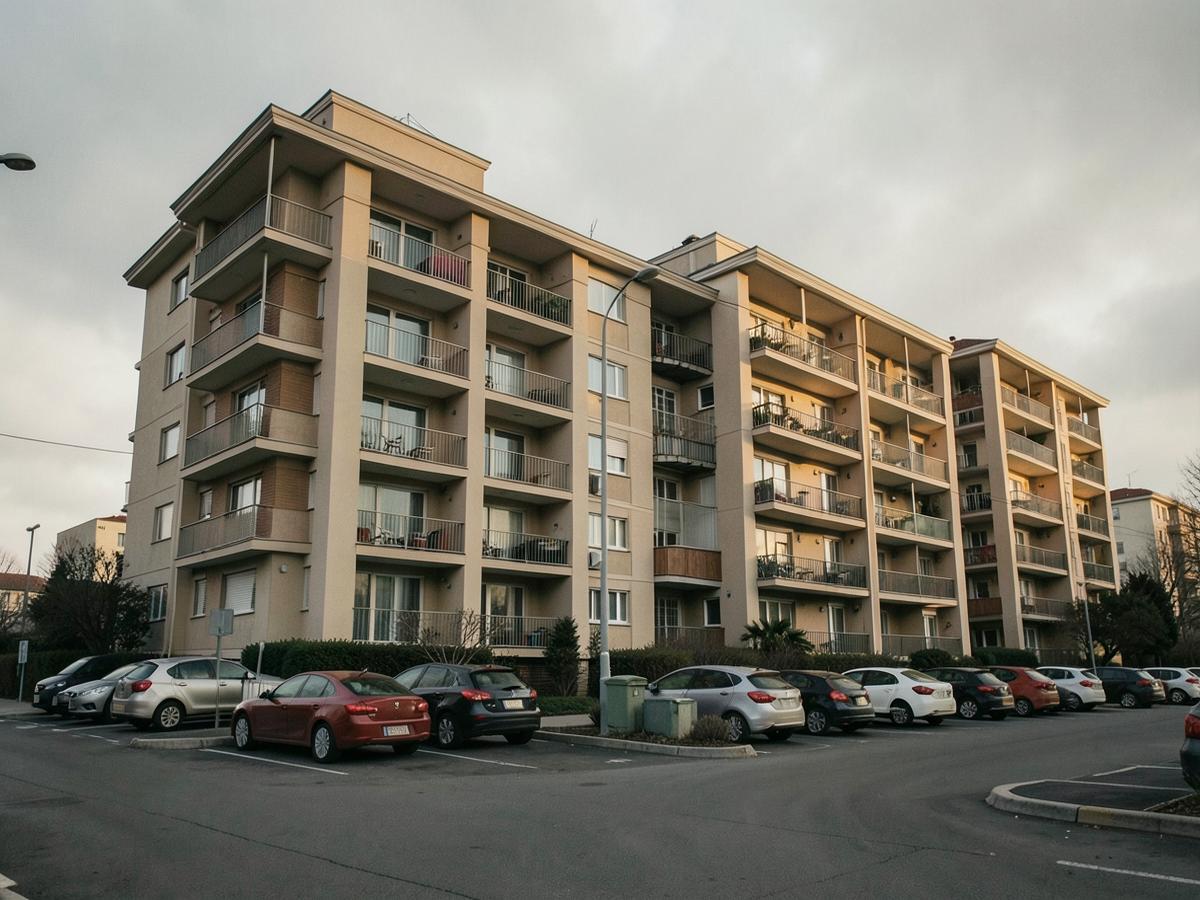
Owners and operators use this work differently than a volunteer board does. The question isn't percent funded — it's how much per unit per year the property genuinely needs, and whether the capital plan supports the underwriting you took to your lender.
The study produces a year-by-year replacement schedule tied to real component condition, so annual capital budgets stop being last year's number plus inflation. It also gives you defensible per-unit reserve figures for lender and investor reporting.
For acquisitions, the same fieldwork functions as a capital needs assessment: an independent read on what deferred maintenance you're inheriting and what it will cost in the first five years of ownership.
Components typically inventoried for an apartment property
- ·Roofs across all buildings
- ·Siding, masonry, and painting
- ·Windows and patio doors
- ·Parking lots, drives, and striping
- ·Sidewalks and stairs
- ·Unit turn capital items
- ·In-unit HVAC and water heaters
- ·Central boilers and mechanicals
- ·Appliance replacement cycles
- ·Laundry equipment
- ·Pool and fitness amenities
- ·Leasing office and clubhouse
- ·Site lighting and signage
- ·Fencing, gates, and access control
- ·Life-safety and sprinkler systems
Questions owners and operators bring to the first call
What per-unit reserve number should I underwrite?
Rather than a rule-of-thumb figure, you get a number derived from your actual components and their remaining life — and the years where that figure is badly understated.
Can this double as a capital needs assessment?
Yes. The physical inspection and cost work are the same; the reporting is framed for ownership and lenders instead of a board.
How does this fit a five-year hold?
The model can be run over your hold period specifically, isolating what you'll actually spend versus what you'd be handing to a buyer.
We have several properties. Can you do them together?
Portfolio engagements are straightforward and cheaper per property, with consistent assumptions so the assets can be compared side by side.
Build next year's capital budget on real component data.
Send the unit count, year built, and building count for each property you'd like scoped.